
Epoxy: Definition, Types, Properties and Uses


Epoxy provides a comprehensive overview of a high-performance thermosetting polymer valued for its exceptional bonding capabilities and chemical stability. Epoxy is a versatile material formed through the reaction of an epoxide resin with a specific curing agent or hardener. Epoxy resins are typically synthesized from bisphenol-A and epichlorohydrin, forming oligomeric epoxy resins rather than simple monomers. Various types include bisphenol-F, novolac, and aliphatic resins tailored for specific industrial demands. Physical properties highlight immense tensile strength, low shrinkage during curing, and superior electrical insulation. Uses span across aerospace engineering, automotive coatings, heavy-duty flooring, and artistic woodworking. The material works by initiating a cross-linking process that transforms liquid components into a rigid, three-dimensional molecular network. Comparative analysis with other resins and safety protocols represents essential topics covered in subsequent sections. Technical discussions also address the role of the polymers in precision manufacturing and specialized repair kits. Understanding the diverse applications of the chemicals ensures optimal material selection for structural projects.
What is Epoxy?
Epoxy is a versatile thermosetting polymer used extensively for adhesives, protective coatings, and high-strength composite materials. Industrial sectors value the substance for its ability to transition from a liquid state to a permanent solid through a chemical reaction. Strong bonding characteristics allow the material to adhere to diverse surfaces, including wood, metal, and glass. Chemical resistance protects underlying substrates from corrosive environments and harsh industrial solvents. Durability ensures that finished components withstand significant mechanical stress and environmental wear over long periods. Households utilize the material for durable repairs and creative DIY projects requiring a clear, hard finish. Epoxy is typically used as a matrix material in fiber-reinforced composites, not alone for structural load-bearing components.
Low shrinkage rates during the hardening process prevent the formation of internal cracks or voids. Continuous advancements in polymer science yield new formulations with improved heat tolerance and UV stability. Reliable performance makes the material a cornerstone of modern construction and manufacturing industries.
How is Epoxy Defined in Chemistry?
Epoxy, defined in chemistry, refers to a class of reactive compounds containing a three-membered cyclic ether group, known as an epoxide group, with oxygen and two carbon atoms. Epoxy typically refers to epoxy resins (pre-polymers) that contain epoxide groups and react with curing agents to form a crosslinked thermoset. Epoxide groups consist of a three-membered ring containing two carbon atoms and one oxygen atom. Reactive epoxide rings enable intense cross-linking to occur during the hardening phase of the material. Molecules undergo a transformation from low molecular weight liquids to high molecular weight solids. Chemical structures rely on the presence of the oxygen-containing functional groups to facilitate polymerization. Bond formation occurs as the hardener molecules link the resin chains together into a rigid lattice. Organic chemists categorize the substances within the broader family of polyepoxides. Specific properties arise from the density and nature of the cross-linked bonds formed during the reaction. Understanding the molecular behavior helps in creating specialized formulations for varying temperatures and pressures. Precise control of the epoxide content ensures the final product meets the required mechanical standards.
Is Epoxy a Type of Resin?
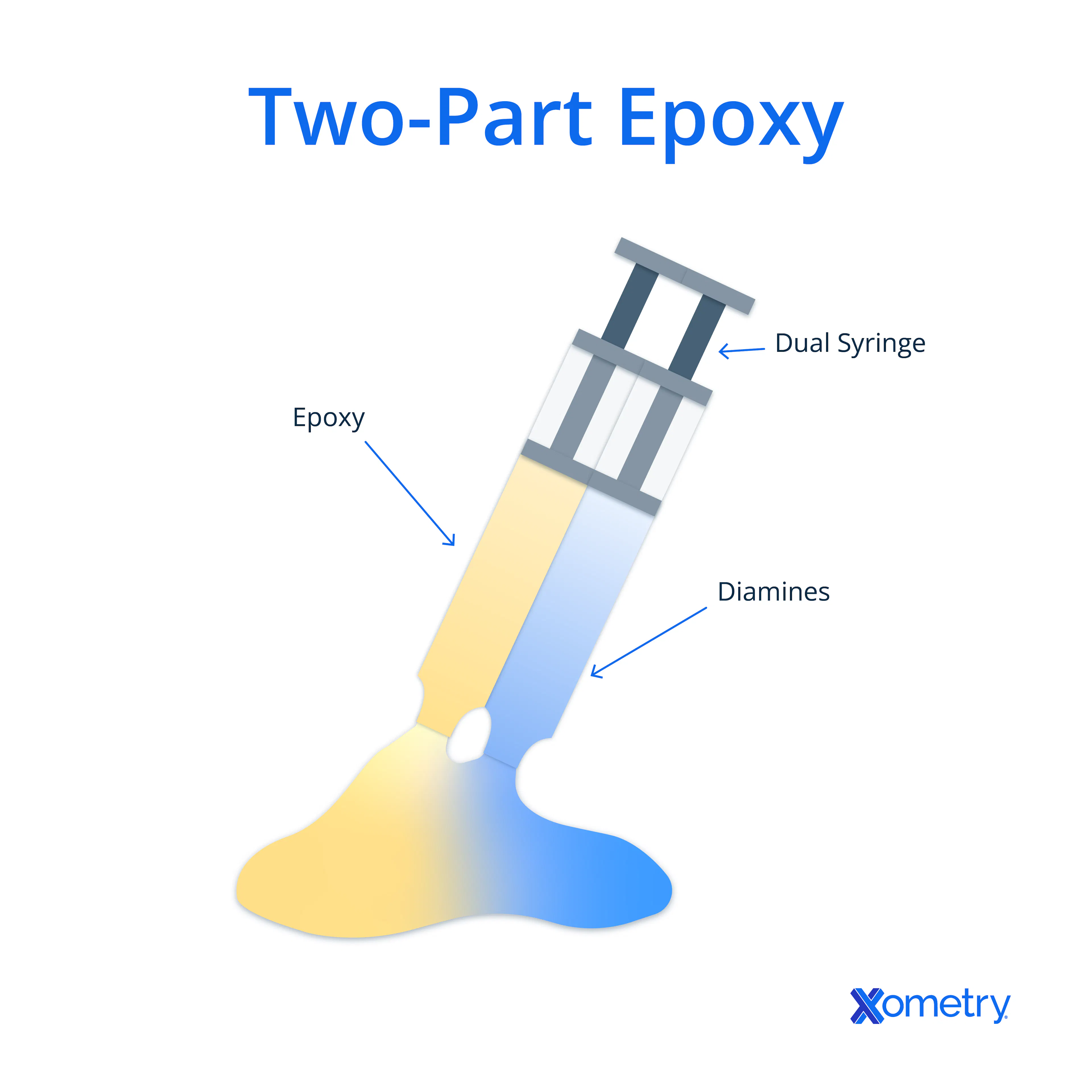
Yes, epoxy is a type of thermosetting resin that forms a crosslinked polymer after curing. Resins represent a broad category of substances, but the specific type stands out due to its superior mechanical properties. Liquid components undergo an exothermic reaction that creates a durable and heat-resistant final product. Permanence distinguishes it from thermoplastics, which melt and reform upon heating. Industrial applications rely on the resin for high-performance adhesives that outperform standard glues. Curing creates a dense molecular structure that resists moisture and environmental degradation. Professional foundries and workshops utilize the material for its reliable casting and coating abilities. Every application benefits from the high-strength characteristics inherent in the specialized thermosetting system. Consistent quality makes the resin a preferred choice for aerospace and automotive structural bonds.
How is Epoxy Made?
First, manufacturers react bisphenol-A with epichlorohydrin in a controlled chemical environment to create the base resin. Second, purification processes remove salt and excess reactants to ensure the quality of the resulting polymer. Third, technicians add reactive diluents or fillers to modify the viscosity and mechanical properties of the mixture. Fourth, producers package the resin and the required hardener in separate containers to prevent premature reaction. Fifth, users combine the two parts in precise ratios to initiate the cross-linking process. Lastly, the curing reaction produces a solid, durable material suitable for industrial applications.
What Are the Chemical Components of Epoxy Resin?
The chemical components of epoxy resin are shown in the table below.
Does Epoxy Resin Require a Hardener to Cure?
Yes, epoxy resin requires a hardener to cure into a rigid and functional solid material. The hardener provides the necessary reactive sites that allow the epoxide groups to form a continuous network. Mixing initiates an exothermic cross-linking reaction, not polymer chain formation. Without the curing agent, the resin remains a viscous liquid lacking structural integrity. Proper ratios ensure that every epoxide ring finds a partner for effective cross-linking. Bonding depends on curing, but also on surface preparation, adhesion, and processing conditions. Industrial processes utilize various types of amines or anhydrides as hardening agents for specific speeds and strengths. The resulting three-dimensional network delivers the durability needed for heavy-duty applications.
What Are the Types of Epoxy?
The types of Epoxy are shown in the table below.
Different industries select a specific epoxy resin based on the environmental conditions and required mechanical loads.
How Are Different Epoxy Resins Classified?
The different epoxy resins are classified based on their chemical structure, curing methods, and applications. Epoxy resins are categorized into several types, including bisphenol-A (BPA) epoxy resins, novolac epoxy resins, and aliphatic epoxy resins. Chemical backbones determine the inherent heat resistance and flexibility of the final polymer. Viscosity levels dictate how easily the material flows into molds or saturates reinforcing fibers. High-viscosity systems serve well in heavy-duty adhesives, while low-viscosity versions suit infusion processes. Classification also depends on the functionality of the epoxide groups present in the molecular chain. Manufacturers distinguish between standard grades and specialty resins designed for extreme chemical exposure. Understanding the categories allows engineers to select the best material for aerospace or marine environments. Some resins require heat to initiate the curing process, whereas others react at room temperature. Proper classification ensures that the material performs reliably under the expected mechanical stresses. Every grade offers a unique balance of cost, ease of use, and physical performance.
Are All Epoxy Resins Chemically Similar?
No, all epoxy resins are not chemically similar because different formulations utilize various monomers to achieve specific performance goals. Backbone structures vary between bisphenol-A, bisphenol-F, and novolac varieties. The variations influence the density of the cross-linked network and the final mechanical strength. Chemical resistance levels change based on the specific functional groups included in the polymer chain. Aromatic epoxies generally offer higher thermal stability, while aliphatic types offer better UV resistance but lower heat resistance. Manufacturers create unique chemical signatures to satisfy the demands of diverse industrial applications. Proper material selection requires an understanding of the fundamental chemical differences.
How Does Epoxy Work?
Epoxy works by forming strong cross-linked bonds when the resin reacts with a hardener in a precise ratio. The mixing process initiates a chemical reaction where epoxide groups link with the curing agent molecules. The reaction creates a rigid, three-dimensional network that transforms the liquid into a permanent solid. Adhesion occurs through both mechanical interlocking and chemical bonding (polar interactions, covalent bonding in some cases). Cross-linking ensures that the material remains stable under mechanical stress and environmental exposure. The hardening process occurs uniformly throughout the entire mass of the mixture. Heat often accelerates the reaction, leading to a faster transition to the final state. Durable structures result from the high density of the molecular bonds. Many epoxy systems produce low shrinkage and minimal volatiles, but some formulations may release small byproducts. Professionals rely on the mechanism for high-performance repairs and structural manufacturing.
What is the Mechanism of Epoxy Curing?
The mechanism of epoxy curing involves a chemical reaction between the epoxy resin and a hardener or curing agent, typically an amine or an anhydride. The reaction starts the moment the two components touch and continues until the epoxide rings fully open. Cross-linking forms a three-dimensional network that effectively solidifies the resin. The exothermic process generates heat as the molecular bonds establish themselves. The density of the network determines the final hardness and chemical resistance of the material. Hardener molecules act as bridges between the longer resin chains. The mechanism requires no evaporation of solvents to achieve a full cure. Success depends on the stoichiometric balance between the resin and the curing agent. Finished parts achieve their full mechanical properties once the reaction reaches completion.
Can Epoxy Bond Strongly to Metals and Plastics?
Yes, epoxy can bond strongly to metals and many plastics through molecular adhesion and chemical cross-linking. The liquid resin flows into the microscopic surface irregularities of the substrate to create a mechanical lock. High surface energy in many metals facilitates a powerful attraction at the molecular level. Cross-linking within the adhesive layer ensures a durable and load-bearing joint. Cured bonds resist vibration, temperature changes, and moisture infiltration. Proper surface preparation maximizes the contact area for the resin to interact with the material. Epoxy bonds well to metals and some plastics, but low surface energy plastics (e.g., polyethylene, polypropylene) bond poorly without surface treatment.
What Are the Properties of Epoxy?
The properties of Epoxy are listed below.
- Adhesive Strength: The material forms powerful bonds with diverse substrates, including wood, metal, and concrete. Strong adhesion results from mechanical interlocking and intermolecular forces, not just “molecular attraction.”
- Chemical Resistance: Cured surfaces resist degradation from acids, bases, and industrial solvents. The property makes the resin ideal for protective coatings in harsh environments.
- Low Shrinkage: The polymer maintains its volume during the curing process to prevent internal stress. Accurate dimensions remain consistent from the liquid stage to the final solid state.
- Electrical Insulation: High dielectric strength prevents the flow of electricity through the material. Electronic components rely on the property for safe potting and encapsulation.
- Mechanical Durability: The rigid cross-linked network withstands high impact and heavy mechanical loads. Longevity increases in structural applications due to the inherent toughness of the polymer.
How Do Epoxy Properties Affect Its Applications?
Epoxy properties affect its applications by providing strong adhesion, chemical resistance, and durability, making it ideal for a wide range of uses such as coatings, structural adhesives, and advanced composite manufacturing. High tensile strength allows engineers to use the material in load-bearing joints for aircraft and cars. Epoxy resists many chemicals, but performance depends on formulation and exposure conditions. Low shrinkage enables the creation of precision molds and high-detail castings. Electrical insulation properties facilitate the safe assembly of circuit boards and transformers. Epoxy has good water resistance, but long-term water exposure can still affect properties depending on grade. Durability under mechanical stress makes it a preferred choice for heavy-duty industrial flooring. Households utilize the adhesive for permanent repairs on ceramics and glass. Every unique property directs the material toward a specific high-performance role. A proper understanding of the traits ensures the success of complex engineering projects.
Is Epoxy Resistant to Water and Chemicals?
Yes, epoxy is resistant to water and many chemicals due to its dense, cross-linked molecular structure. Cured surfaces act as a barrier that prevents moisture from reaching the underlying material. Industrial tanks utilize the resin to store corrosive acids and bases without leaking. Marine applications rely on the material to protect boat hulls from salt water degradation. Low permeability ensures that the polymer remains stable during long-term immersion. Chemical environments require specialized formulations to handle specific pH levels. Reliability in these settings makes epoxy a standard for protective coatings.
What Are the Uses of Epoxy?
The uses of Epoxy are listed below.
- Woodworking and Furniture: The resin fills voids in lumber and creates durable, high-gloss table finishes. Artistic designs incorporate pigments to produce river tables and decorative inlays.
- Metal and Automotive: Structural adhesives bond body panels and protect undercarriages from rust. Epoxy coatings are used, but engine internal parts typically require high-temperature materials beyond standard epoxy limits.
- Plastic and Ceramics: High-strength glues repair broken household items and bond diverse materials together. The material fills cracks in porcelain and reinforces fragile plastic components.
- Flooring: Heavy-duty coatings provide a seamless, easy-to-clean surface for garages and warehouses. Slip-resistant additives improve safety in high-traffic commercial environments.
- Marine and Boat Surfaces: Fiberglass repairs and protective hull coatings rely on the resin for water-tight bonds. Epoxy coatings reduce water ingress and osmotic blistering, but do not guarantee complete prevention in all conditions.
- Jewelry and Crafts: Transparent resins encapsulate flowers or glitter to create unique wearable art. Low-odor formulations allow hobbyists to cast small figurines and decorative charms.
Use for Woodworking and Furniture
Uses of epoxy for woodworking and furniture center on stabilizing raw lumber and creating aesthetic surface finishes. Craftsmen utilize the liquid resin to fill natural cracks, knots, and voids in expensive hardwoods. Decorative river tables combine the polymer with pigments to produce stunning visual effects. High-gloss coatings provide a thick, durable layer that resists scratches and heat damage. The material bonds wooden joints with a strength exceeding the wood fibers themselves.
Use for Metal and Automotive
Uses of epoxy for metal and automotive applications involve high-performance bonding and corrosion-resistant coatings. Manufacturers utilize structural adhesives to join body panels without the need for traditional welding. Protective primers seal metal surfaces to prevent the formation of rust and oxidation. Standard epoxy coatings have limited heat resistance and are generally not used on high-temperature engine components; specialized high-temperature systems are required. The material provides a tough, impact-resistant finish for industrial vehicle chassis and suspension parts.
Epoxy stands out not just as a material but as a system defined by how it transforms during use. Its real value comes from the curing process, where a liquid mixture becomes a rigid, cross-linked structure that delivers strength, chemical resistance, and long-term durability. This transition is what makes epoxy fundamentally different from thermoplastics, as it is engineered for permanence rather than reprocessability. The material excels in applications where adhesion and environmental resistance are critical, particularly in structural bonding and protective coatings. However, that same cross-linked nature introduces limitations, including brittleness in some formulations and the need for precise mixing and handling. What makes epoxy compelling from an engineering perspective is how tunable it is. In practice, epoxy is less about convenience and more about reliability, making it a deliberate choice for structural and high-performance applications.
Use for Plastic and Ceramics
Uses of epoxy for plastic and ceramics focus on permanent repairs and the bonding of dissimilar materials. High-viscosity adhesives fill gaps in broken pottery and restore the structural strength of ceramic vessels. The resin creates a waterproof seal on plastic plumbing fixtures and household appliances. Industrial designers use the material to assemble complex multi-material prototypes with precision. Cured bonds withstand the daily wear and cleaning associated with ceramic tiles and bathroom fixtures.
Use for Flooring
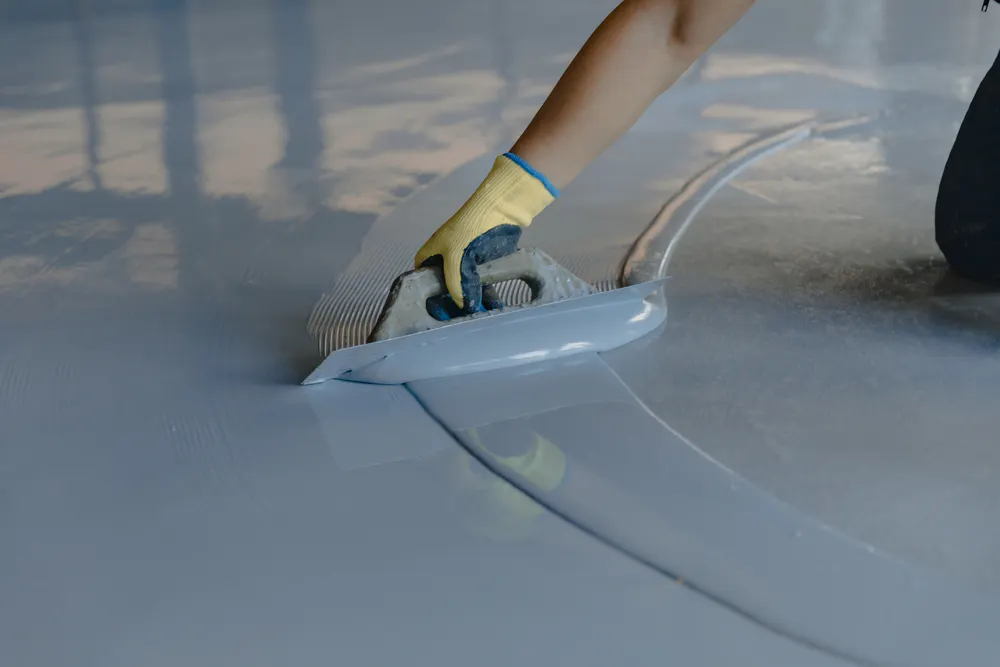
Uses of epoxy for flooring provide a seamless and extremely durable surface for commercial and residential spaces. Warehouse floors utilize the coating to resist heavy forklift traffic and chemical spills. Garage owners install the material to protect concrete from oil stains and road salts. Slip-resistant textures increase safety in kitchens and laboratories where spills occur. The high-gloss finish improves indoor lighting by reflecting light across the workspace.
Use for Marine and Boat Surfaces
Uses of epoxy for marine and boat surfaces ensure that vessels remain water-tight and resistant to salt water damage. Technicians utilize the resin for fiberglass lamination and the repair of hull blisters. Protective coatings seal wooden masts and decks against moisture infiltration and rot. Epoxy provides strong bonding, but mechanical fasteners are often used alongside adhesives for critical loads. Reliability in aquatic environments makes the resin a vital tool for maritime maintenance.
Uses for Jewelry and Crafts
Uses of epoxy for jewelry and crafts involve casting clear or pigmented shapes for wearable art and home decor. Hobbyists encapsulate small objects like dried flowers or metal charms in transparent resin pendants. Low-viscosity formulations allow for bubble-free castings in silicone molds. The material hardens into a glass-like finish that resists yellowing over time. Craftsmen utilize the resin to create intricate coasters, keychains, and decorative paperweights.
What Are the Advantages of Epoxy?
The advantages of Epoxy are listed below.
- Superior Adhesion: The material bonds to a wider variety of surfaces compared to most other resins. Powerful molecular links, mechanical interlocking, and intermolecular forces ensure the adhesive stays secure under heavy mechanical tension.
- High Strength: Cured structures demonstrate immense tensile and compressive resistance. Structural integrity remains high even when the material is applied in thin layers.
- Thermal Stability: Many formulations maintain their physical properties at elevated temperatures. Epoxy is suitable for coatings, adhesives, and composites.
- Chemical Inertness: Once cured, the polymer does not react with most acids, fuels, or solvents. The stability protects sensitive substrates in harsh manufacturing environments.
- Low Volatility: Many epoxy systems are low in solvents, but vapors and fumes (amine hardeners) can still be hazardous. Minimal shrinkage occurs because no liquid evaporates from the mixture.
How Do Benefits and Safety Concerns Influence Usage of Epoxy?
Benefits and safety concerns influence the usage of epoxy by balancing its superior strength, durability, and versatility against potential health risks during handling and application. Benefits like high strength and chemical resistance encourage widespread epoxy use in critical industrial sectors. Manufacturers prioritize the material for aerospace and automotive bonds where failure is not an option. High adhesive performance justifies the cost and complexity of the two-part mixing process. Safety concerns regarding skin irritation and respiratory exposure require the use of protective gear. Proper ventilation must be maintained during the application to prevent the inhalation of reactive vapors. Users must follow strict handling protocols to avoid allergic sensitization over time. Protective measures like gloves and masks ensure that the benefits of the material are realized without health risks. Balancing performance with safety allows for the successful integration of the resin into large-scale production. Correct usage techniques minimize waste and maximize the longevity of the finished bond.
Is Epoxy Safe to Handle with Proper Protective Measures?
Yes, epoxy is safe to handle when using gloves, masks, and adequate ventilation to prevent direct exposure. Protective measures significantly reduce the risk, but do not eliminate it. Users must avoid direct contact with the liquid resin and hardener to prevent allergic reactions. Maintaining a clean workspace reduces the likelihood of accidental ingestion or eye contact. Cured material remains inert and poses no health risks under normal operating conditions. Specialized safety protocols ensure that the epoxy structure remains a valuable asset for industrial and household projects.
How is Epoxy Compared to Other Resins?
Epoxy, compared to other resins, shows distinct advantages in strength, adhesion, and chemical resistance, but has some limitations in processing and flexibility. Epoxy is stronger, more chemically resistant, and more adhesive than many other resins, like acrylics or polyester. Superior durability and bonding capacity make it the preferred choice for structural and industrial applications. Lower shrinkage rates during curing provide better dimensional accuracy than polyester alternatives. While acrylics offer better UV resistance, the material delivers higher mechanical toughness for load-bearing parts. Curing times are often longer, but the resulting bond strength justifies the wait for critical projects. Moisture resistance remains higher than that of most water-based resin systems. Professional engineers choose the polymer when the failure of a bond could lead to catastrophic results. Cost is typically higher, but the long-term performance provides better overall value. Choosing Epoxy over Resins of other types ensures a professional finish and lasting structural integrity.
What Are the Differences Between Epoxy and Acrylic Resins?
The differences between Epoxy and Acrylic Resins are listed below.
- Adhesive Strength: The epoxy system provides a much stronger bond to metals and hardwoods than acrylic alternatives. High-stress applications require the superior mechanical properties found in the epoxide network.
- Curing Mechanism: Epoxy requires a hardener and a chemical reaction to solidify, while acrylics often cure through UV light or solvent evaporation. The two-part system ensures a full cure through thick sections of material.
- UV Stability: Acrylic resins resist yellowing and degradation from sunlight better than standard epoxy formulations. Outdoor decorative projects often prioritize the clarity of acrylic over the strength of the polymer.
- Shrinkage Rates: Epoxy demonstrates much lower shrinkage during the hardening process than most acrylic resins. High-detail molds and precision repairs benefit from the dimensional stability of the epoxide structure.
Does Epoxy Provide Superior Strength and Durability?
Yes, epoxy generally provides high strength and durability compared to many common resins (e.g., polyester), but not all (e.g., some polyurethanes or high-performance resins like PEEK-based systems). The dense, cross-linked polymer network delivers long-lasting mechanical performance under heavy loads. Resistance to impact and fatigue ensures that the material survives in demanding industrial environments. High-performance adhesives rely on durability to maintain bonds for the life of the product. The ability to withstand harsh chemicals and moisture enhances its overall longevity. Choosing the material ensures a high standard of structural reliability for complex assemblies.
How is Epoxy Made for Metal Injection Molding Applications?
First, manufacturers mix high-purity metal powders with a thermoplastic binder system to create the feedstock. Second, the mixture undergoes heating and thorough blending to ensure uniform distribution of the metal powder and binder. Third, an injection molding machine forces the molten feedstock into a precision-machined mold cavity. Fourth, the molded part cools and solidifies, creating a green part with the required geometry. Fifth, a debinding process removes the majority of the polymer binder through thermal or chemical means. Lastly, high-temperature sintering fuses the metal particles together into a dense, high-strength final component for Metal Injection Molding Applications.
What Are the Chemical Components of a Binder System in Metal Injection Molding?
The chemical components of the Binder System in Metal Injection Molding are listed below.
- Base Polymer: A thermoplastic material that provides flow during molding and holds the metal powder together in the green part.
- Internal Lubricants: Additives that reduce friction between the metal particles and the mold walls during injection.
- Dispersing Agents: Chemicals that prevent the metal powder from clumping together in the feedstock mixture.
- Stabilizers: Additives that prevent thermal degradation of the binder during mixing and processing.
Does Epoxy Resin Require a Hardener to Cure?
No, Metal Injection Molding (MIM) does not use epoxy resin or hardeners; instead, thermoplastic binders provide rigidity to the green part after cooling. The solidified thermoplastic binder holds the metal powders together, allowing the green part to maintain its shape before debinding. The feedstock would remain soft without proper cooling of the thermoplastic binder, leading to loss of dimensional accuracy. Proper molding and cooling ensure that the binder captures and retains the intricate details of the mold. Industrial efficiency depends on the reliable molding and cooling of the feedstock within the machine. Thermoplastic binders enable the production of complex metal geometries with high precision before debinding and sintering.
How Does Epoxy Work on Parts of an Injection Molding Machine?
Epoxy works on parts of an injection molding machine by providing strong adhesion and protective coatings, but it is not typically used for primary structural load-bearing components. Epoxy is applied to machine parts to bond, coat, or repair surfaces subjected to mechanical stress. The resin provides a high-strength adhesive layer for attaching sensors or specialized fixtures to the equipment. Protective epoxy coatings can provide moderate wear resistance, but severe abrasive wear is typically handled by hardened metals or specialized coatings. Epoxy can maintain properties at moderate temperatures, but prolonged exposure to high temperatures near heated barrels may degrade standard formulations. Cured bonds prevent the movement of components during high-pressure Injection Molding cycles. Maintenance teams utilize the polymer to fill cracks or pits in the steel surfaces of the mold plates. Chemical resistance protects the machinery from the corrosive byproducts released by some molten plastics. Strong adhesion to various metals allows epoxy to provide reliable repairs for many machine components. The material can provide a cost-effective repair solution for non-critical components, reducing the need for replacement. Continuous operation benefits from the durability and reliability of the polymer applications in Injection Molding.
What is the Mechanism of Epoxy Curing for Parts of an Injection Molding Machine?
The mechanism of epoxy curing for parts of an injection molding machine involves a chemical reaction between the epoxy resin and a hardener, typically an amine or an anhydride, that leads to the formation of a cross-linked polymer network. Curing occurs when epoxide groups react with the hardener to form a cross-linked polymer network, typically after application to the machine surface. The chemical reaction solidifies the epoxy and creates strong, durable bonds with the metal substrate. Cross-linking begins as the two components are mixed, while the liquid resin flows into surface irregularities to enhance mechanical adhesion. The process ensures that the repair or coating remains intact during the high-vibration environment of the factory. Thermal energy from the machine often accelerates the completion of the curing cycle. The resulting rigid structure provides good mechanical strength, although impact resistance depends on the epoxy formulation.
Can Epoxy Bond Strongly to Metals and Plastics?
Yes, epoxy can bond strongly to metals and many plastics through the formation of powerful chemical and mechanical links. Adhesion occurs at the molecular level as the resin interacts with the surface energy of the Metal Elements. Cured bonds resist the shearing forces and pressure changes typical of industrial molding processes. Proper surface preparation involves cleaning and roughening to maximize the contact area for the polymer. Properly applied epoxy bonds can improve the longevity of machine repairs and structural assemblies.
The material remains a standard for joining dissimilar materials in high-performance manufacturing environments involving Metal Elements.
How Xometry Can Help
Working with epoxy often provides users with strong and durable surfaces and coatings, whether it’s used to create a 3D printed mold, properly seal a structure on an aerospace vessel, or provide a consistent and even coating on a warehouse floor. If you’re interested in services that involve epoxy, reach out to our team for more information or get an instant quote for our 3D printing services.
Disclaimer
The content appearing on this webpage is for informational purposes only. Xometry makes no representation or warranty of any kind, be it expressed or implied, as to the accuracy, completeness, or validity of the information. Any performance parameters, geometric tolerances, specific design features, quality and types of materials, or processes should not be inferred to represent what will be delivered by third-party suppliers or manufacturers through Xometry’s network. Buyers seeking quotes for parts are responsible for defining the specific requirements for those parts. Please refer to our terms and conditions for more information.