
Stress vs. Strain: Definition, Differences, and Relationship


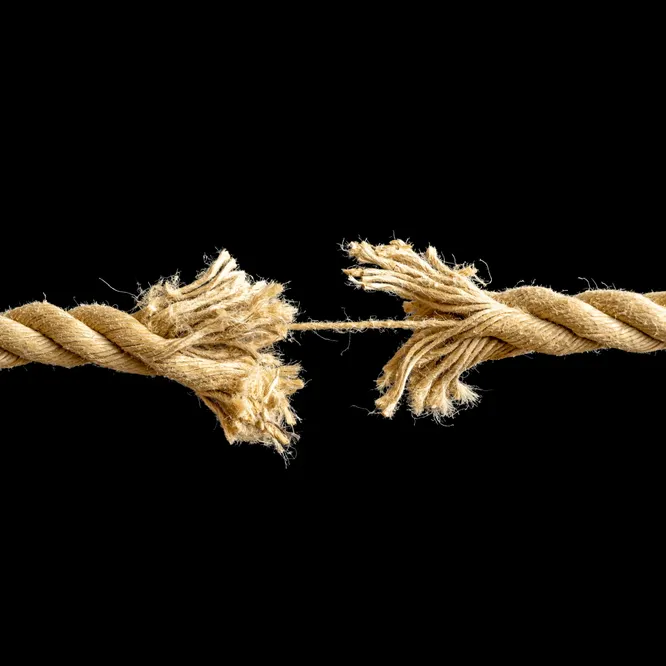
Stress vs strain are two foundational concepts in mechanics and materials science that describe how a material responds to applied forces. Stress vs strain collectively form the basis for predicting whether a material bends, stretches, fractures, or returns to its original shape under load. Engineers and scientists rely on the stress vs strain relationship to evaluate material performance across industries like civil, mechanical, and aerospace engineering. The two concepts are distinct but deeply connected, as one directly causes the other.
Stress quantifies the internal force a material experiences per unit area, expressed in Pascals (Pa). Strain measures the resulting deformation relative to the material's original dimensions, expressed as a dimensionless ratio. A steel bridge beam under traffic load experiences compressive stress, while the beam's slight shortening represents strain. A rubber band stretched by hand demonstrates concepts simultaneously, as the pulling force induces stress and the elongation represents strain. The stress vs strain relationship defines the mechanical behavior of any solid material, guiding engineers in selecting the right material for the right application.
What Is Stress?
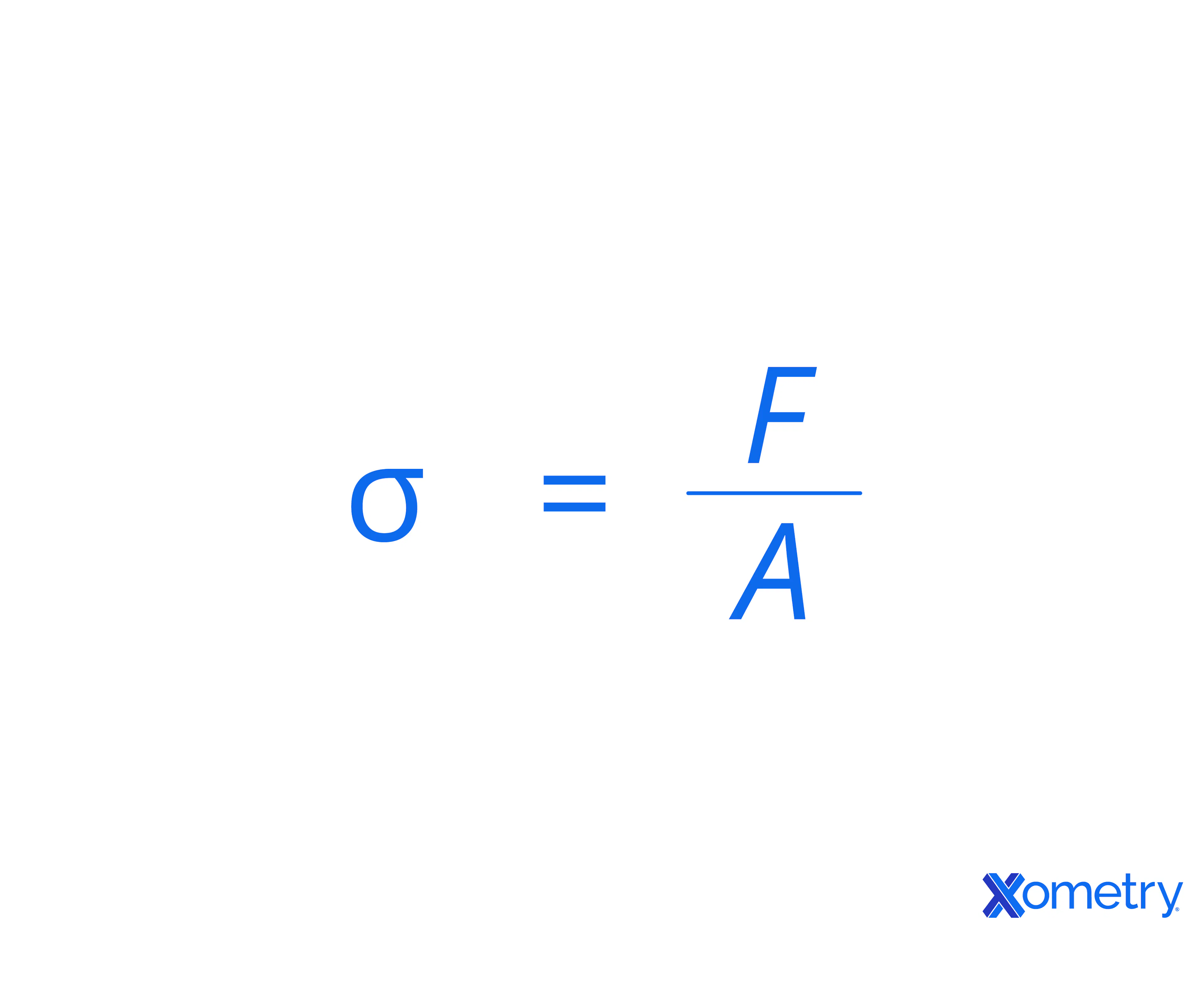
Stress is the internal resistive force a material develops per unit area when an external force acts upon it. The formula for stress is σ = F/A, where σ represents stress, F represents the applied force in Newtons (N), and A represents the cross-sectional area in square meters (m²). The SI unit of stress is the Pascal (Pa), equivalent to 1 Newton per square meter. Higher applied forces or smaller cross-sectional areas result in greater stress concentrations within the material. Three primary force types act on materials to produce stress. Tensile stress occurs when a material is pulled apart, as seen in suspension bridge cables under load. Compressive stress develops when forces push inward, as in concrete columns supporting a building's weight. Shear stress acts parallel to a surface, as in bolts holding two metal plates together under lateral forces. Each force type produces a distinct internal stress pattern that governs how the material deforms or fails. The resulting stress equals 5,000,000 Pa or 5 MPa for a steel rod with a cross-section of 0.01 m² subjected to a 50,000 N tensile force.
What Factors Affect Stress in Materials?
The factors that affect stress in materials determine the magnitude of stress a material experiences under loading conditions. Force magnitude is the most direct factor, as doubling the applied force doubles the stress when the cross-sectional area remains constant. A steel column supporting 100,000 N experiences twice the stress of one supporting 50,000 N with an identical cross-section. Cross-sectional area inversely affects stress, meaning a narrower rod experiences greater stress than a wider one under the same load. Material properties such as elastic modulus, yield strength, and microstructure determine how stress distributes internally. A high-strength steel alloy with a yield strength of 690 MPa tolerates far greater stress than mild steel rated at 250 MPa before permanent deformation begins. Geometric factors like notches, holes, or sharp corners create stress concentrations that amplify local stress by a factor ranging from 2 to 5, depending on geometry. Load type matters, as dynamic or cyclic loading introduces fatigue stress that weakens a material progressively over millions of load cycles in mechanical components like rotating shafts.
How Is Stress Measured in Real World Applications?
Stress in real-world applications is measured indirectly by detecting deformation and converting it to stress values using material properties and calibration. Strain gauges are the most widely used measurement tools, consisting of thin metallic foil bonded to a material's surface that changes electrical resistance proportionally to deformation. A Wheatstone bridge circuit connected to the strain gauge converts resistance changes into readable voltage outputs with accuracy levels within 0.1% of the full scale. Universal Testing Machines (UTM) apply controlled tensile, compressive, or shear forces to test specimens in laboratory environments while simultaneously recording load and displacement data. Load cells embedded in the machine measure applied force directly, while extensometers track deformation across a defined gauge length. Photoelastic analysis uses polarized light passed through transparent model materials to visualize stress distribution patterns as colored fringes. Finite Element Analysis (FEA) software predicts stress distribution in complex geometries before physical testing begins, reducing prototyping costs significantly in aerospace and automotive component development.
How Is Lap Shear Used To Measure Material Strength Under Stress?
Lap shear is used to measure material strength under stress by a bonded joint or material interface that sustains before failure occurs. The test involves bonding two overlapping material specimens and applying a tensile force parallel to the bond plane until the joint separates. Shear stress is calculated by dividing the peak force at failure by the bonded overlap area, producing a result in Pascals or megapascals. Overlap lengths in standard lap shear specimens are typically 12.5 mm or 12.7 mm, following ASTM D1002 or ISO 4587 testing standards. The test evaluates adhesives, welds, fasteners, and composite laminates under realistic loading conditions. A structural adhesive tested under lap shear loading might achieve a peak shear strength of 20 MPa to 35 MPa, depending on surface preparation and cure conditions. Results from lap shear testing directly inform design decisions for bonded assemblies in automotive, aerospace, and electronics manufacturing. Xometry provides material and manufacturing guidance that addresses lap shear performance in bonded component applications.
What Is Strain?
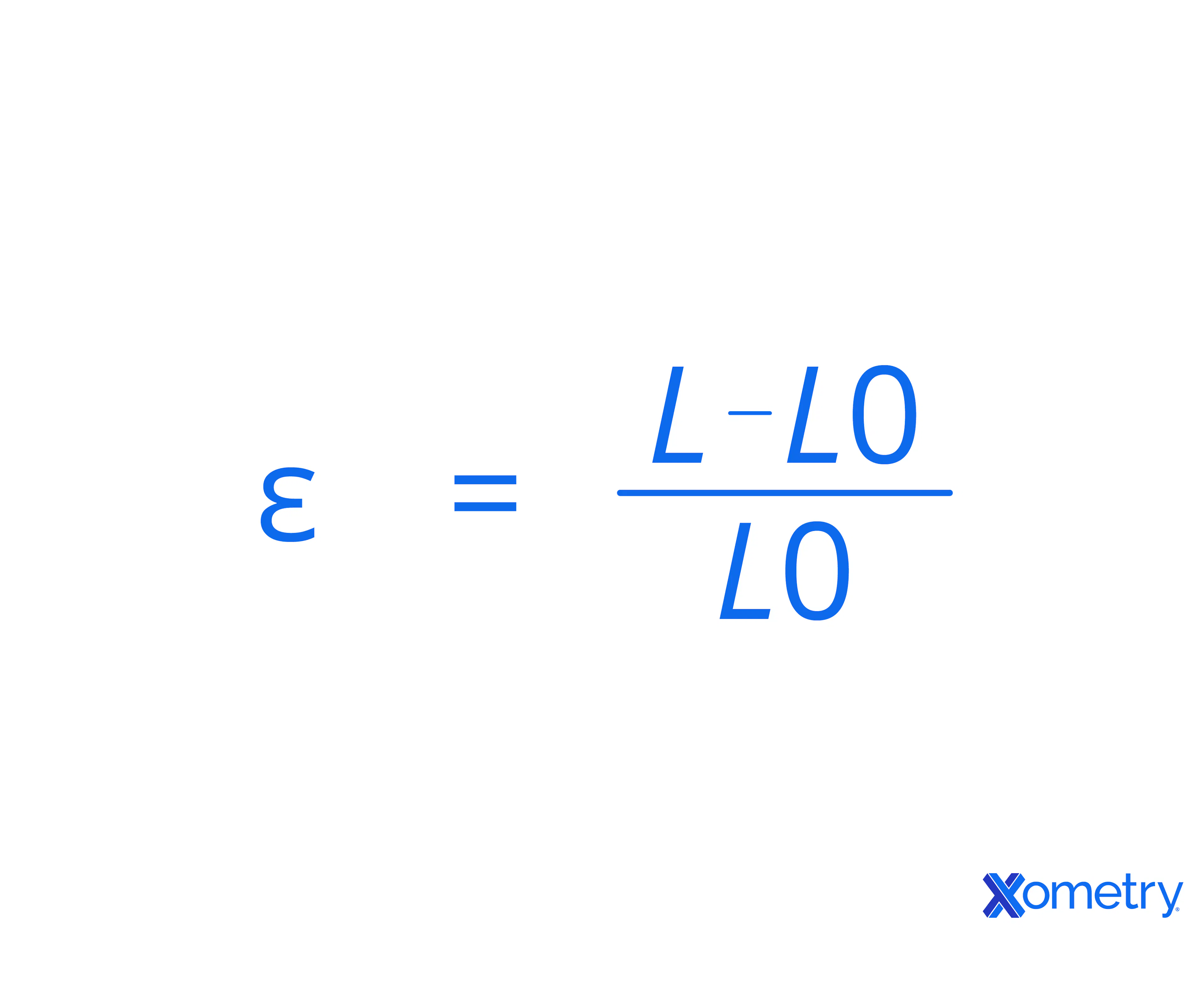
Strain is the measure of deformation a material undergoes relative to its original dimension when subjected to an applied force. The formula for linear strain is ε = ΔL/L₀, where ε represents strain, ΔL represents the change in length, and L₀ represents the original length. Strain carries no unit because it is a ratio of two lengths, making it a dimensionless quantity. A value of 0.002 means the material deformed by 0.2% of its original length. Stretching a rubber band from 100 mm to 105 mm produces a tensile strain of 0.05, representing a 5% elongation. Compressing a concrete cylinder from 200 mm to 198 mm under axial load produces a compressive strain of 0.01. Shear strain describes angular distortion, measured in radians, as seen in a rectangular block deforming into a parallelogram under lateral force. Volumetric strain captures three-dimensional deformation in pressurized components like hydraulic cylinders or sealed tanks subjected to internal fluid pressure.
What Factors Influence Strain in Materials?
The factors that influence strain in materials are listed below.
- Applied Stress Magnitude: Greater stress produces proportionally greater strain within the elastic region of a material. A steel rod stressed to 100 MPa strains approximately twice as much as one stressed to 50 MPa, assuming linear elastic behavior governed by Hooke's Law.
- Elastic Modulus: The elastic modulus (Young's Modulus) of a material determines its stiffness and resistance to strain. Steel has a Young's Modulus of approximately 200 GPa, meaning it strains far less than aluminum at 69 GPa under the same applied stress.
- Temperature: Elevated temperatures reduce a material's stiffness, increasing strain at the same stress level. Polymer materials experience significant creep strain at temperatures approaching their glass transition point.
- Material Microstructure: Grain size, porosity, and crystal orientation affect how strain distributes at the microscopic level. Fine-grained metals distribute strain more uniformly than coarse-grained counterparts.
- Loading Duration: Sustained loads cause time-dependent strain called creep, particularly in metals above 40% of their absolute melting temperature (measured in K) and in thermoplastics under constant stress.
How Is Strain Calculated in Engineering Scenarios?
Strain is calculated in engineering scenarios by the fundamental ratio of deformation to original dimension across linear, shear, and volumetric loading scenarios. The formula ε = ΔL/L₀ applies directly for linear strain. A steel rod with an original length of 500 mm elongates by 1 mm under tensile load, producing a linear strain of ε = 1/500 = 0.002, or 2,000 microstrain (με). Volumetric strain calculates the fractional change in volume under hydrostatic pressure using εᵥ = ΔV/V₀. A pressurized aluminum vessel with an original volume of 0.5 m³ expanding to 0.5005 m³ under internal pressure produces a volumetric strain of 0.001. Shear strain (γ) is calculated as the tangential displacement divided by the perpendicular distance between the shear planes, expressed in radians. Strain values rarely exceed 0.005 in structural steel before yielding begins in engineering practice. Strain gauges bonded to bridge components measure real-time strain data in microstrain units, with readings transmitted to data acquisition systems for structural health monitoring. The calculated strain values, combined with the material's known elastic modulus, allow engineers to back-calculate actual stress levels without direct force measurement.
What Are the Key Differences of Stress and Strain?
The key differences between stress and strain are shown in the table below.
The table above highlights the fundamental distinctions separating stress from strain in material mechanics. Stress acts as the cause, driven by external forces applied to a structure, while strain acts as the measurable effect produced by that stress. The presence of a unit for stress (Pascal) versus the dimensionless nature of strain reflects their physically distinct definitions. A material's elastic modulus bridges the two quantities, determining how much strain results from a given level of stress.
How Do Stress and Strain Differ in Physical Meaning?
Stress and strain differ in physical meaning, with stress representing the internal load a material carries and strain representing the physical change in shape that results. Stress exists as an invisible internal condition, detectable only through instruments or calculation. Strain is the observable geometric outcome, measurable with calipers, extensometers, or strain gauges directly from the material surface. A practical analogy clarifies the distinction well. A sponge squeezed by hand experiences compressive stress from the applied finger force and compressive strain visible as the sponge's reduced thickness. Releasing the hand removes the stress, and the sponge recovers its original shape, eliminating the strain. A steel cable supporting a suspended load carries tensile stress throughout its cross-section, while the measurable elongation of the cable under that load represents the corresponding tensile strain. One concept describes the internal force state of a material, and the other describes the geometric consequence of that force state at any point within the material's body.
What Is the Stress Strain Relationship?
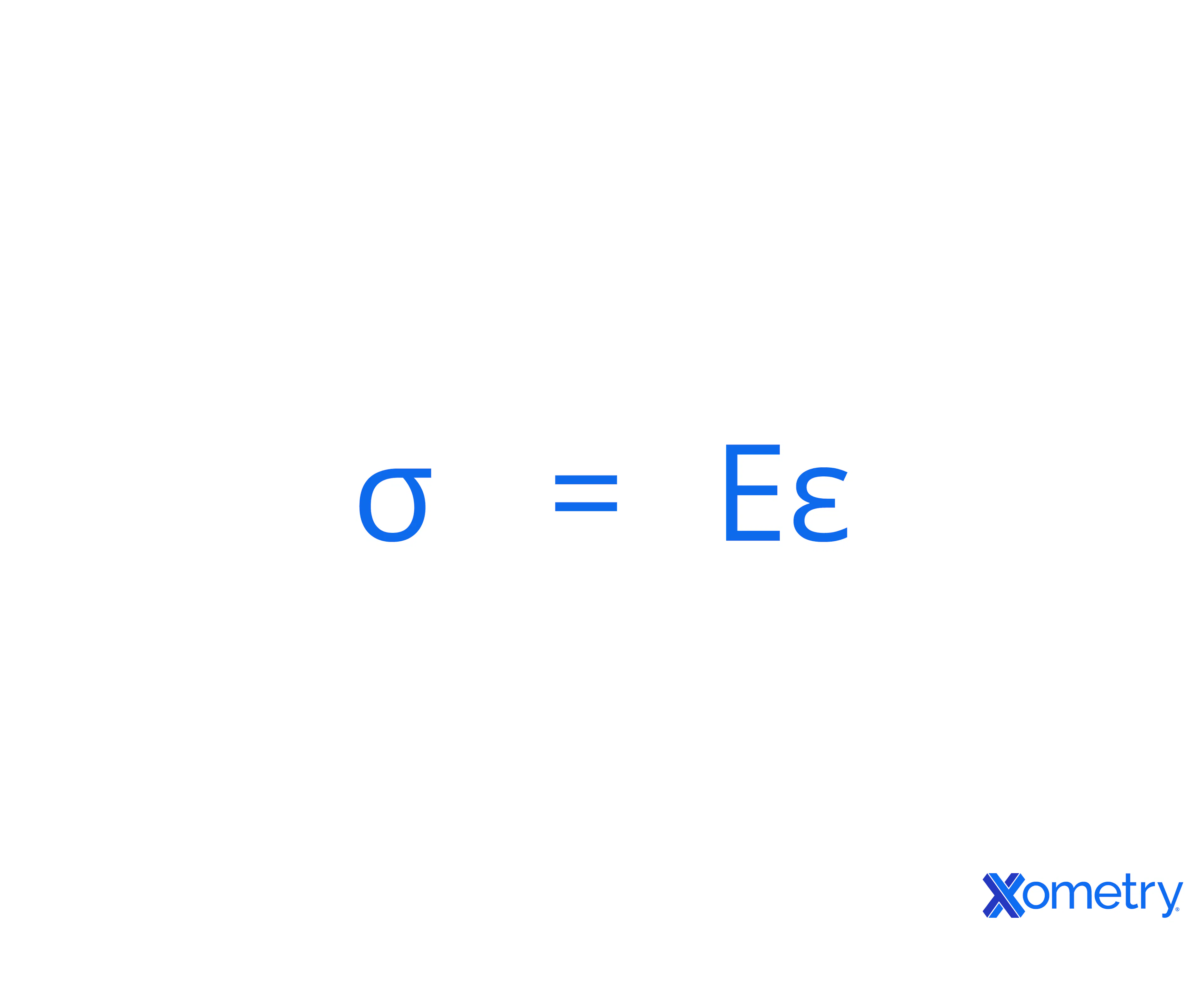
The stress-strain relationship describes how a material deforms in response to applied stress, forming the foundation of structural and mechanical analysis. In the elastic region of the relationship, stress and strain are directly proportional, governed by Hooke's Law: σ = Eε, where σ is stress, E is the elastic modulus (Young's Modulus), and ε is strain. The elastic modulus acts as the proportionality constant, characterizing a material's stiffness. A stress of 200 MPa produces a strain of exactly 0.001 within the elastic region, for structural steel with a Young's Modulus of 200 GPa. The relationship remains linear until the material reaches its proportionality limit, beyond which deformation no longer follows Hooke's Law. Different materials exhibit different stress-strain relationships based on their atomic bonding, crystal structure, and composition. Ductile metals like aluminum display a gradual transition from elastic to plastic behavior, while brittle materials like cast iron fracture with minimal plastic deformation after the elastic limit. The stress-strain relationship determines every critical design parameter, from allowable load limits to deflection calculations.
How Does the Stress Strain Curve Explain Material Behavior?
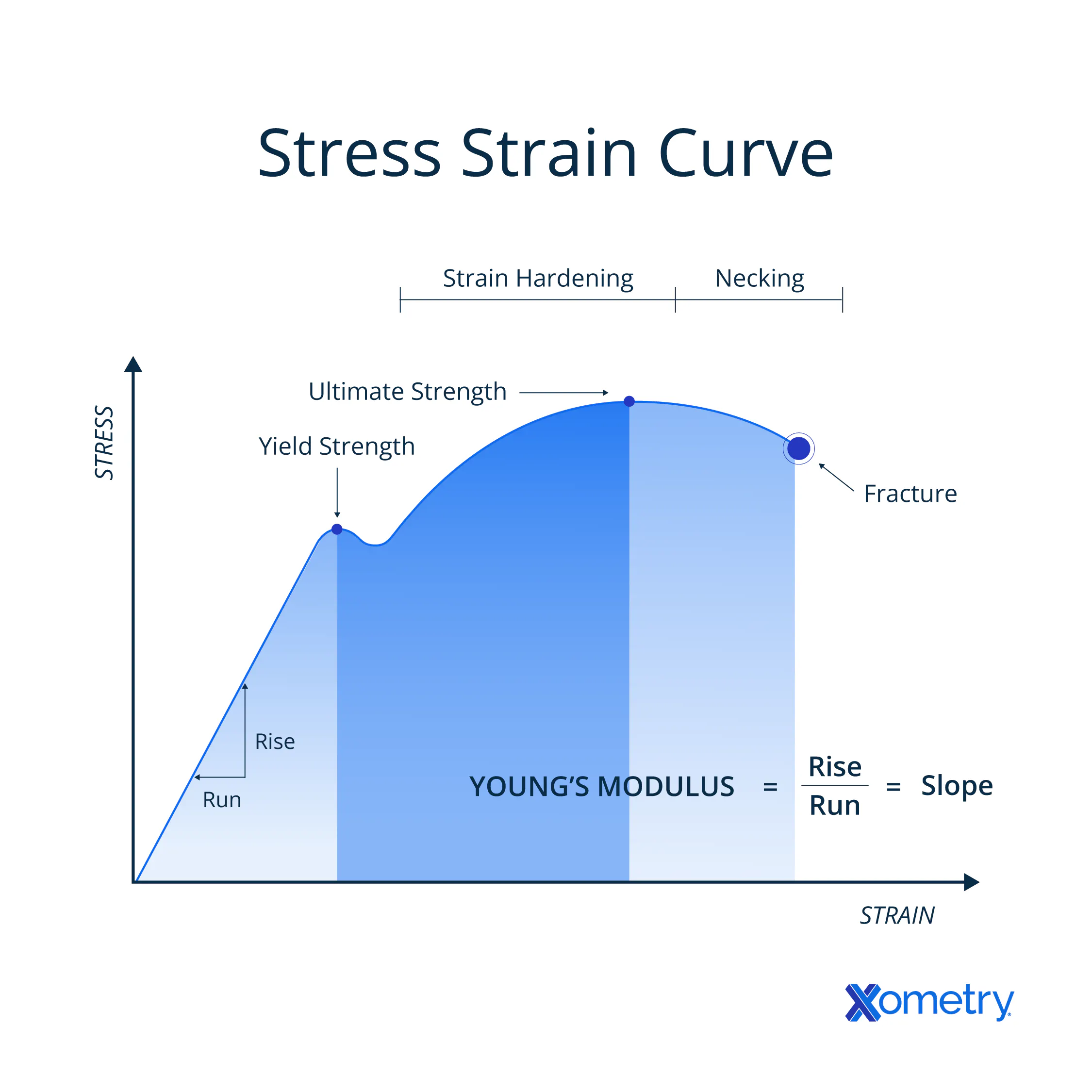
The stress-strain curve explains material behavior through a graphical plot of stress on the vertical axis against strain on the horizontal axis, revealing distinct behavioral regions a material passes through from initial loading to fracture. The curve begins with a linear elastic region where stress and strain increase proportionally, and the material returns to its original shape upon load removal. The slope of the linear region equals the material's Young's Modulus, quantifying stiffness directly from the graph. The curve enters the plastic region where permanent deformation begins beyond the elastic limit. The upper and lower yield points mark the onset of plastic flow in ductile metals, appearing as a drop in the curve for low-carbon steels at approximately 250 MPa. Strain hardening follows, where the material resists further deformation, and the curve rises again until reaching the ultimate tensile strength (UTS). Necking occurs after the UTS, where the cross-sectional area reduces locally, and the engineering stress drops until fracture. Brittle materials like ceramics produce short, steep curves with no plastic region, fracturing suddenly at strains below 0.5%, while elastomers produce long, flat curves extending to strains of 500% to 800%.
How Does Yield Point Affect the Stress Strain Relationship?
Yield point affects the stress-strain relationship through a material's transition from elastic to plastic deformation, permanently altering the stress-strain relationship beyond that threshold. The stress-strain curve remains linear, and the material recovers its original dimensions after load removal below the yield point. Atomic bonds within the material begin to slip and rearrange at the yield point, allowing permanent dimensional change to occur without a proportional increase in stress. Low-carbon steel exhibits a distinct upper yield point near 300 MPa followed by a drop to a lower yield point near 250 MPa, creating a visible plateau on the stress-strain curve called the yield plateau or Lüders band region. Aluminum alloys lack a well-defined yield point and require the 0.2% offset method to determine yield strength, drawing a line parallel to the elastic region from a strain offset of 0.002. The yield point defines the maximum allowable working stress before safety margins are exceeded, for structural design purposes. A detailed breakdown of yield point definitions, formulas, and material-specific examples is covered in the resource on Yield Point: Definition, Formula and Examples.
What Factors Affect the Stress Strain Relationship?
The factors that affect the stress-strain relationship are listed below.
- Material Type: The atomic bonding and crystal structure of a material define the shape of its stress-strain curve entirely. Ductile metals (aluminum, copper, mild steel) produce curves with extended plastic regions, while ceramics and glass fracture within the elastic region at strains below 0.1%. Polymers display viscoelastic curves with time-dependent strain responses that neither metal nor ceramic materials exhibit.
- Temperature: Rising temperatures reduce both yield strength and elastic modulus, shifting the stress-strain curve downward and flattening its slope. Structural steel at 600°C retains approximately 23% of its room-temperature yield strength, fundamentally changing its stress-strain behavior under fire loading conditions.
- Strain Rate: Faster loading rates increase the apparent yield strength and ultimate tensile strength of metals and polymers. A strain rate increase from 0.001/s to 10/s raises the yield stress of mild steel by 20% to 40%, depending on alloy composition.
- Defects and Microstructural Flaws: Internal voids, inclusions, grain boundary cracks, and dislocation density alter local stress concentrations and shift the onset of plastic deformation. A material with high dislocation density (cold-worked steel) exhibits a higher yield point than annealed steel of identical composition, as dislocations impede further plastic flow at lower stress levels.
Can Materials Return to Original Shape After Strain?
Materials can return to their original shape after strain only when the applied stress remains within the elastic region below the yield point. Elastic deformation is fully reversible, as atomic bonds stretch under load and return to equilibrium spacing once the load is removed. A steel spring compressed by 5 mm under a 500 N load recovers completely when the load is released, demonstrating elastic behavior governed by Hooke's Law. Plastic deformation is permanent and non-recoverable. Once stress exceeds the yield point, atomic planes slip past one another, and the material retains a new, deformed shape after load removal. A steel beam bent beyond its yield strength of 250 MPa retains a permanent bend even after the bending force is removed. Rubber and elastomers represent a special case, returning to their original shape after very large strains of 300% to 700% due to their polymer chain network structure. Shape memory alloys (NiTinol) recover plastic deformation upon heating above their transformation temperature, making them a unique exception to conventional elastic and plastic deformation behavior observed in structural metals.
Why Is Understanding Stress and Strain Important in Engineering?
Understanding stress and strain is important to every phase of engineering, from material selection to structural design and long-term safety assessment. Engineers use stress and strain data to ensure that structures, components, and machines perform within safe operating limits throughout their service life. A bridge designed without accurate stress analysis risks fatigue failure under cyclic traffic loads, while an aircraft component designed without strain data risks catastrophic fracture at altitude. Material selection depends directly on stress and strain limits. A structural application requiring high load capacity with minimal deformation favors high-strength steel with a yield strength above 690 MPa and a low strain value under working loads. Flexible sealing components require materials with high strain capacity (elastomers), tolerating elongations above 200% without permanent damage. Safety factors applied in structural design typically range from 1.5 to 4.0, depending on load predictability and consequence of failure, and stress-strain analysis determines the denominator of that safety calculation. Durability assessments use fatigue stress-strain data to predict service life in millions of cycles, preventing premature failures in rotating machinery, pressure vessels, and load-bearing structural members across civil, mechanical, and aerospace engineering disciplines.
"Effective material selection transcends the simple matching of nominal yield strengths to static loading requirements: it necessitates a comprehensive integration of dynamic environmental variables (such as hygroscopic shifts in engineering thermoplastics or thermal reduction factors in structural alloys) into the initial design cycle. By meticulously synchronizing theoretical stress-strain relationships with the specific kinematic constraints of the chosen manufacturing process, designers can proactively mitigate localized failure modes and optimize the structural integrity of high-performance components."
How Are Stress and Strain Applied in Real World Applications?
Stress and strain applied in real-world applications are listed below.
- Civil Engineering (Load-Bearing Structures): Reinforced concrete beams in multi-story buildings experience compressive stress from gravitational loads and tensile stress from bending. Steel reinforcement bars placed in tension zones carry tensile stress up to 400 MPa, while the concrete resists compressive stress up to 40 MPa. Strain monitoring sensors embedded in bridge decks measure live load strains in real time to detect structural degradation before visible cracking occurs.
- Mechanical Engineering (Manufacturing and Machinery): Metal forming processes (forging, rolling, extrusion) intentionally impose plastic strain to shape raw billets into finished components. A cold-rolled steel sheet undergoes plastic strains of 20% to 50% during the rolling process, increasing yield strength through strain hardening. Rotating shaft fatigue analysis uses cyclic stress-strain data to calculate safe operating speeds and predict bearing replacement intervals.
- Aerospace Engineering (Lightweight Structural Components): Aircraft fuselage panels experience complex multiaxial stress states combining pressurization-induced hoop stress, bending stress from flight maneuvers, and thermal stress from temperature differentials at altitude. Carbon fiber composite panels carry tensile stresses up to 600 MPa at strains below 1.5%, offering high strength with minimal weight penalty. Finite Element Analysis models map full-field stress and strain distributions across complex aerospace geometries before prototype fabrication begins.
How Does Nylon Respond To Stress and Strain in Flexible Mechanical Components?
Nylon responds to stress and strain in flexible mechanical components through a viscoelastic behavior that combines elastic recovery with time-dependent deformation, making it well-suited for flexible mechanical components subjected to dynamic and cyclic loading. Under short-duration tensile loading, nylon (PA6 and PA66 grades) exhibits a Young's Modulus ranging from 2 GPa to 3.5 GPa, significantly lower than steel at 200 GPa, allowing measurable elastic strain under moderate stress levels. The yield strength of unfilled nylon 66 ranges from 40 MPa to 85 MPa, depending on moisture content and temperature, with higher moisture levels reducing stiffness and increasing ductility. Nylon under sustained static stress experiences creep, a slow accumulation of plastic strain over time, even below the yield point. At 23°C and a sustained tensile stress of 30 MPa, nylon 66 creeps measurably over 1,000 hours, requiring design allowances for dimensional change in precision fits. Glass-fiber-reinforced nylon reduces creep strain significantly by increasing stiffness to 9 GPa to 12 GPa while raising heat deflection temperature above 200°C. Flexible mechanical components (gears, bushings, snap-fit clips) made from nylon benefit from the material's combined capacity for elastic recovery and moderate plastic strain accommodation, with Xometry offering nylon-based manufacturing services for precision mechanical part production.
Summary
This article presented stress vs. strain, explained what each is, and discussed their key differences. To learn more about stress vs. strain, contact a Xometry representative.
Xometry provides a wide range of manufacturing capabilities and other value-added services for all of your prototyping and production needs. Visit our website to learn more or to request a free, no-obligation quote.
Disclaimer
The content appearing on this webpage is for informational purposes only. Xometry makes no representation or warranty of any kind, be it expressed or implied, as to the accuracy, completeness, or validity of the information. Any performance parameters, geometric tolerances, specific design features, quality and types of materials, or processes should not be inferred to represent what will be delivered by third-party suppliers or manufacturers through Xometry’s network. Buyers seeking quotes for parts are responsible for defining the specific requirements for those parts. Please refer to our terms and conditions for more information.