Types of Holes in Engineering


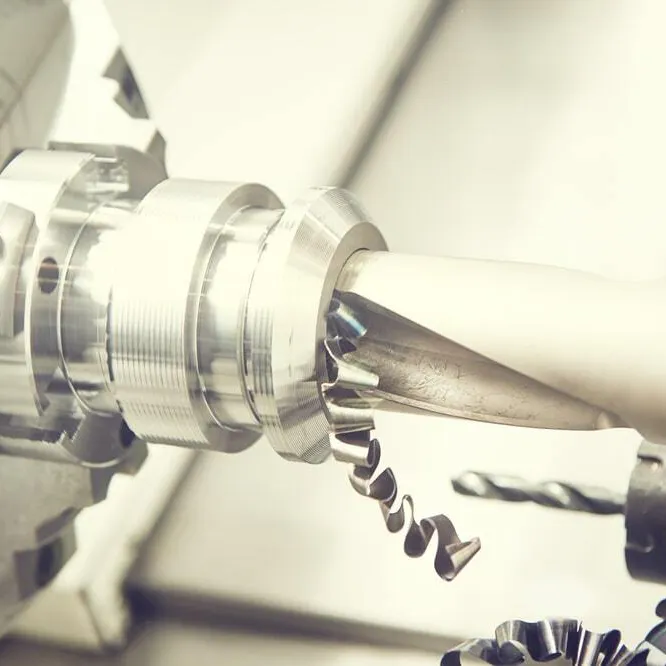
The Types of Holes in Engineering are blind hole, through hole, interrupted hole, simple hole, counterbore holes, spotface hole, countersink hole, counterdrill hole, tapered hole, screw clearance hole, tapped hole, and threaded hole. Type of holes differ in geometry and function. Discover the types of holes and their applications in engineering design. The article answers the questions, “What is a hole in engineering?” and “What are the primary types of holes?” with precise and direct information.
A through hole goes completely through a material, forming an opening from one side to the other. A blind hole does not go through and stops at depth, leaving a closed bottom. Through holes are used to connect parts and accommodate fasteners, whereas blind holes maintain one side sealed or intact.
A hole in engineering drawings defines size, type, and features (threading or countersinking). Holes show the position for manufacturing. Proper reading ensures accurate production and placement. Through and blind holes are common features in metal injection molding, affecting part function, mold design, tooling complexity, and manufacturing. Through holes pass fasteners or components completely; blind holes are sealed to preserve integrity or meet needs.
1. Blind Hole
A blind hole is a hole that does not pass completely through a material. The hole ends at a specific depth, leaving the bottom of the hole closed. Blind holes are important when one side of the material needs to remain intact when sealing is required or when a fastener is inserted from one side only. Blind holes allow for internal features without complete penetration, which can help maintain the exterior surface of a component.
2. Through Hole
A through hole is a hole that passes completely through the material, creating an opening from one side to the other. Through holes are important for connecting parts, aligning components, and allowing fasteners to pass through the material. The holes are used in structural applications and in assembling different parts into a unified whole.
3. Interrupted Hole
An interrupted hole refers to a hole that passes through a void or an open space, resulting in a non-continuous internal surface. Interrupted holes are used to handle complex or dynamic components (gears or shafts), where precise fitting is necessary. The holes are used in parts that require variable fluid or gas flow through different sections of the hole.
4. Simple Hole
A simple hole is a basic cylindrical hole without any special features (threading, counterboring, or countersinking). Simple holes are basic passages for fasteners or fluids in most engineering designs. The holes are used in less complex applications where intricate features are not required.
5. Counterbore Holessuch
A counterbore hole is a hole with a flat bottom and a larger diameter at the opening to accommodate a bolt or screw head. Counterbore holes are vital for fastening components where a flush or recessed surface is needed to avoid protrusions. The holes are used in precision applications where the recessing of the fastener head is required for clearance, protection, or surface alignment.
6. Spotface Holes
A spotface is a shallow, flat-bottomed machining operation performed around a hole to provide a flat seating surface for a fastener. The holes are important when a flat surface is needed around a hole for seating a fastener, ensuring proper alignment and load distribution. They are used in mounting or bolting applications.
7. Countersink Holes
A countersink hole has an angled entry to allow a countersunk screw or bolt to sit flush with the surface. Countersink holes are crucial when a flush fit for fasteners is required. The holes ensure a smooth surface, reducing the risk of damage and improving the overall design by allowing fasteners to be recessed into the material.
8. Counterdrill Holes
A spotface is a shallow, flat-bottomed machining operation performed around a hole to provide a flat seating surface for a fastener. The hole-type allows for the proper seating of the fastener or different component and ensures precise depth control in the application. Counterdrill holes are important in applications where precise depth and seating of fasteners are required for a secure assembly. The holes achieve proper alignment and positioning, ensuring that components fit together as intended. Counterdrill holes are used in high-precision engineering applications in the assembly of complex machinery or devices.
9. Tapered Holes
Tapered holes are conical holes that gradually change in diameter from one end to the other. Tapered holes are necessary in applications where components need to fit tightly and securely in hydraulic fittings or conical connections. The hole-type provides a precise, controlled fit between parts.
10. Screw Clearance Holes
Screw clearance holes are drilled slightly larger than the diameter of the screw to allow for easier installation and alignment. Screw clearance holes are needed to ensure that screws are inserted without obstruction, facilitating assembly and disassembly processes. Tapered holes are conical holes that gradually change in diameter from one end to the other.
11. Tapped Holes
A tapped hole is a hole that has internal threads for a screw or bolt to engage with. Tapped holes provide a means of securely attaching components using screws or bolts. The holes are used in applications where the fastening system needs to be reusable or requires a threaded connection.
12. Threaded Holes
Threaded holes are a broad category of holes with internal threads, which can be produced through various methods such as tapping, thread milling, or casting. The threaded holes are critical in applications that require secure, long-lasting connections for components. Holes are necessary for creating robust and reliable joints between parts in mechanical and structural applications.
How Are Hole Types Classified in Engineering Drawings?
Hole types in engineering drawings are classified based on their geometry and function. The classifications (“through holes,” blind holes, counterbores, countersinks, and threaded holes) each have a purpose in design and manufacturing. Through holes extend completely through a material, while blind holes do not pass through, ending at a specified depth. Counterbores and countersinks define the shape and size of holes to accommodate fasteners, with counterbores providing a flat-bottomed space for the head of a bolt and countersinks creating a conical recess for a countersunk screw. Threaded holes hold screws, bolts, or other fasteners with internal threads. The classification system guides the manufacturing process, ensuring accurate hole dimensions and specifications for assembly, function, and material handling.
Are Hole Types Standardized Across Engineering Drawings?
Yes, hole types are standardized across engineering drawings. The organizations of the American Society of Mechanical Engineers (ASME) and the International Organization for Standardization (ISO) define symbols and specifications for hole types to ensure consistency in technical drawings. The standards guide how holes are represented in terms of size, shape, and function, making it easier for manufacturers and engineers to interpret and produce parts accurately. Clear communication is maintained across different industries and regions by adhering to the standards, ensuring a universal understanding of hole specifications. Standardization minimizes errors, improves efficiency, and facilitates global collaboration in manufacturing and design.
"In the hierarchy of manufacturing, the through hole is a convenience, but the blind hole is a commitment. For the design engineer, every blind hole necessitates a conversation about venting and core pin rigidity; failing to account for the physics of trapped air or tool deflection turns a simple design feature into a high-cost production bottleneck."
What Is the Difference Between a Through Hole and a Blind Hole?
The difference between a through hole and a blind hole is the function. A through hole passes entirely through a component from one surface to the opposite surface, creating a continuous opening. A blind hole terminates within the material and does not break through the opposite side, leaving a defined bottom. Blind holes require a specified depth to ensure sufficient thread engagement or component clearance while preventing breakthrough. Through holes simplify alignment and fastening where access from both sides exists. Design selection reflects functional requirements (load distribution, assembly method, and available clearance).
How Do Through Hole vs Blind Hole Applications Differ?
Through Hole vs Blind Hole applications differ in function, design, and manufacturing. Through holes allow fasteners to pass completely through the material, providing access for bolts, screws, or pins from both ends of the opening. Blind holes preserve the integrity of one surface, leaving a solid bottom that limits access from one side. The choice between through and blind holes depends on the specific application and design requirements. Through holes are used when fastening from the sides, or creating continuous passages is necessary. The blind holes are ideal when one side must remain intact or when there is a need to restrict fastener insertion to a defined depth. The functional trade-off between the hole types influences the entire design, material strength, and ease of assembly.
Are Blind Holes Preferred When One Surface Must Remain Intact?
Yes, blind holes are preferred when one surface must remain intact. Blind holes do not pass through the material, leaving no exit opening on the opposite side. The characteristic is useful for maintaining the integrity of surfaces that need to remain smooth or unbroken (when aesthetics or sealing requirements are critical). The absence of an exit opening improves the appearance of the component while preventing leakage or contamination from the other side. The functional trade-off involves balancing the need for through-access with the requirement to preserve the opposite surface for aesthetic, functional, or structural reasons.
How Are Hole Sizes Specified in Engineering Drawings?
Hole sizes are specified in engineering drawings by the dimensions (diameter and depth) of the hole. The diameter is the measurement across the opening, while the depth indicates how far the hole extends into the material. The dimensions are necessary for ensuring that the hole meets design requirements for functionality and fit. Tolerances apply to the dimensions, specifying acceptable variations in size to accommodate manufacturing capabilities and ensure proper assembly. Properly specified hole sizes and tolerances are important for maintaining part integrity and ensuring that components will function correctly within an assembly.
What Do Hole Diameter Symbols Indicate?
The hole diameter symbol “⌀” indicates the diameter in engineering drawings. The symbol is used to specify the size of circular holes, ensuring clarity in design and manufacturing. The drawing unambiguously conveys that the measurement refers to the hole's diameter by placing the “⌀” symbol before the numerical value, not the other dimension. The standardization prevents confusion and ensures that manufacturers interpret the hole dimensions correctly, contributing to accurate part production. The use of symbols is for maintaining consistency and precision in technical drawings.
Are Hole Sizes Always Defined by Diameter?
No, hole sizes are not always defined by diameter. Hole types with slots or irregular shapes require different notations, while diameter is the measurement for circular holes. For example, slots are defined by their length and width, while other special holes are characterized by various dimensions depending on their specific function or geometry. The notation used depends on the geometry of the hole, which ensures clarity in technical drawings and manufacturing processes.
Are Hole Sizes Always Defined by Depth? No, hole sizes are not always defined by depth. The depth dimension is relevant for holes that do not extend through the entire thickness of the material.
How Do You Read Hole Callouts in Engineering Drawings?
Read hole callouts in engineering drawings by following the five steps. First, identify the hole symbol, which indicates the type of hole (through hole or blind hole). Second, examine the diameter, which is usually preceded by the ⌀ symbol. The value provides the size of the hole's opening. Third, check the depth dimension if applicable, which is provided for blind holes, showing how deep the hole extends into the material. Fourth, review additional notations for features (countersinks, counterbores, or thread specifications), which are included alongside the hole callout. Lastly, pay attention to tolerances or finish requirements, which define allowable deviations in hole dimensions for manufacturing. Ensure that all the values align with the intended function and specifications.
What Information Is Included in Hole Callout Symbols?
The information included in the hole callout symbols is type, size, depth, and tolerance of the hole. The hole type refers to the specific hole feature (through hole, blind hole, or countersink). Size is defined by the diameter, and for blind holes, the depth refers to the distance the full diameter extends into the material. Tolerance values define the allowable variation from the specified dimensions, ensuring that the hole meets manufacturing standards. The callout includes additional details (thread specifications, material finish, or surface treatment requirements). The comprehensive details offer complete guidance for manufacturing, ensuring that the hole is produced to meet the design and functional requirements accurately.
Do Hole Callouts Indicate Type and Depth Together?
Yes, hole callouts indicate the type and depth together. The callout for blind holes specifies the hole type and includes the depth dimension to show how far the hole extends into the material. The hole ensures clarity in the manufacturing process, as it prevents over-drilling and ensures that the hole is created with the correct specifications. The type and depth of the callout provide complete information for the production team, minimizing errors and improving efficiency during the fabrication process.
How Are Different Types of Holes Used in Engineering Design?
Different types of holes used in engineering design depend on functions (fastening, alignment, and fluid or gas flow). Fastening holes (through holes and threaded holes) are used to secure parts together, providing strength and stability to assemblies. The choice of hole type depends on the specific requirements of the design, with each type tailored to achieve a function. Design intent is necessary for choosing the appropriate hole type, ensuring that the final product meets performance and manufacturing standards.
How Do Material Properties Affect Hole Design in Aluminum Alloys?
Material properties affect hole design in aluminum alloys by maintaining the integrity and function of the material. Aluminum alloys with lower tensile strength often require greater spacing between holes to maintain structural integrity and prevent deformation during the machining process. The increased tightness in spacing raises the risk of deformation during machining or under stress in thinner sections of material. The strength of the 6082 aluminum alloy affects the load-bearing capacity of the holes, and thicker materials provide more support and stability when holes are drilled or punched. Careful consideration of the properties ensures that hole spacing, size, and depth are optimized to maintain the integrity and function of the material.
Do Aluminum Properties Affect Hole Design?
Yes, aluminum properties affect hole design. The material's thermal expansion and softness play a crucial role in determining hole spacing, size, and placement. Aluminum expands when heated, which leads to distortion if holes are placed too closely or without proper compensation for temperature changes. The softness of aluminum alloys affects the ability to machine clean, precise holes, with softer alloys being more prone to deformation during drilling or machining. The hole design must ensure the integrity of the design, maintain stability, and prevent material failure during operation.
Why Are Through Holes and Blind Holes Important in Metal Injection Molding?
Through holes and blind holes are important in metal injection molding because the type of hole affects the part ejection process and the sintering stage, with through holes allowing for more straightforward tooling and more uniform material flow. Blind holes are more difficult to form because the core pin is supported at only one end, making it susceptible to deflection or core shift under high injection pressures. Proper hole design is necessary for manufacturability, ensuring that the part can be efficiently produced without compromising quality or functionality. Designing holes with consideration for metal injection molding techniques reduces errors and improves the effectiveness of the manufacturing process.
Do Hole Types Matter in Metal Injection Molding?
Yes, hole types matter in metal injection molding. Complex hole designs increase the risk of defects during the molding and sintering processes. Intricate holes (small or deep blind holes) create challenges in air venting and part ejection, potentially leading to flaws like gas burns or incomplete filling. Simpler hole designs (through holes) with clear paths for material flow help improve yield by reducing the chances of defects and improving mold release. Proper hole design optimizes manufacturability, improving efficiency and reducing waste.
How Does Plastic Injection Molding Use Different Hole Types in Mold Design?
Plastic injection molding uses different hole types in mold design by controlling part function, material flow, and ejection. Hole types (through holes and blind holes) influence how the molded part behaves during the injection and cooling processes. The inclusion of internal draft angles on core pins is critical to ensure smooth ejection of the part from the mold without causing surface drag or structural damage. Proper hole types and draft angles optimize the manufacturing process, reduce defects, and improve part quality. The mold efficiency and the success of plastic injection molding.
Do Hole Types Affect Plastic Mold Design?
Yes, hole types affect plastic mold design because of the direct influence on tooling requirements. For example, blind holes increase complexity by requiring additional features (core pins or specialized inserts) to create the hole without passing through the material. The added complexity raises the cost of the mold, as it demands more precise manufacturing and additional components. The choice of hole type affects mold reliability, and more intricate hole designs increase the chance of defects or issues during production, as the mold struggles with proper ejection or filling. Careful selection of hole types balances the need for functionality with the cost and efficiency of the molding process.
Summary
Xometry provides a wide range of manufacturing capabilities including CNC machining, 3D printing, injection molding, laser cutting, and sheet metal fabrication. Get your instant quote today.
Disclaimer
The content appearing on this webpage is for informational purposes only. Xometry makes no representation or warranty of any kind, be it expressed or implied, as to the accuracy, completeness, or validity of the information. Any performance parameters, geometric tolerances, specific design features, quality and types of materials, or processes should not be inferred to represent what will be delivered by third-party suppliers or manufacturers through Xometry’s network. Buyers seeking quotes for parts are responsible for defining the specific requirements for those parts. Please refer to our terms and conditions for more information.